-
LGBT Anxiety
Despite recent acceptance, people who identify as lesbian, gay, bisexual, or transgender still face a number of social stigmas and discrimination. It’s no wonder that this can lead to stress and anxiety for those in the LGBT community.
-
Obsessive-Compulsiveness in New Mothers
Many things can cause or increase your risk of developing OCD, such as family history and biological changes like the ones most women experience with childbirth.
-
Cell Phone Addiction
According to recent studies, 90% of Americans would fall into the category of overusing or abusing their smartphones, while between 10 – 12% can be diagnosed with an actual addiction.
-
Coping Mechanisms for Overcoming Holiday Stress
The holiday season can provoke anxiety and stress in a number of people, but there is good news. There are a number of holiday coping mechanisms you can use to ease your way through the holiday stress.
-
Emetophobia: The Fear of Vomiting

The fear of vomiting, officially known as emetophobia, is a phobia that affects millions of people. And, the good news is that help is available.
-
Insomnia and Anxiety/Depression

Research has shown that Cognitive Behavioral Therapy has longer-lasting, more sustainable effects on insomnia and depression. This is because it teaches you a skill set that you can use for the rest of your life.
-
Resilience Training
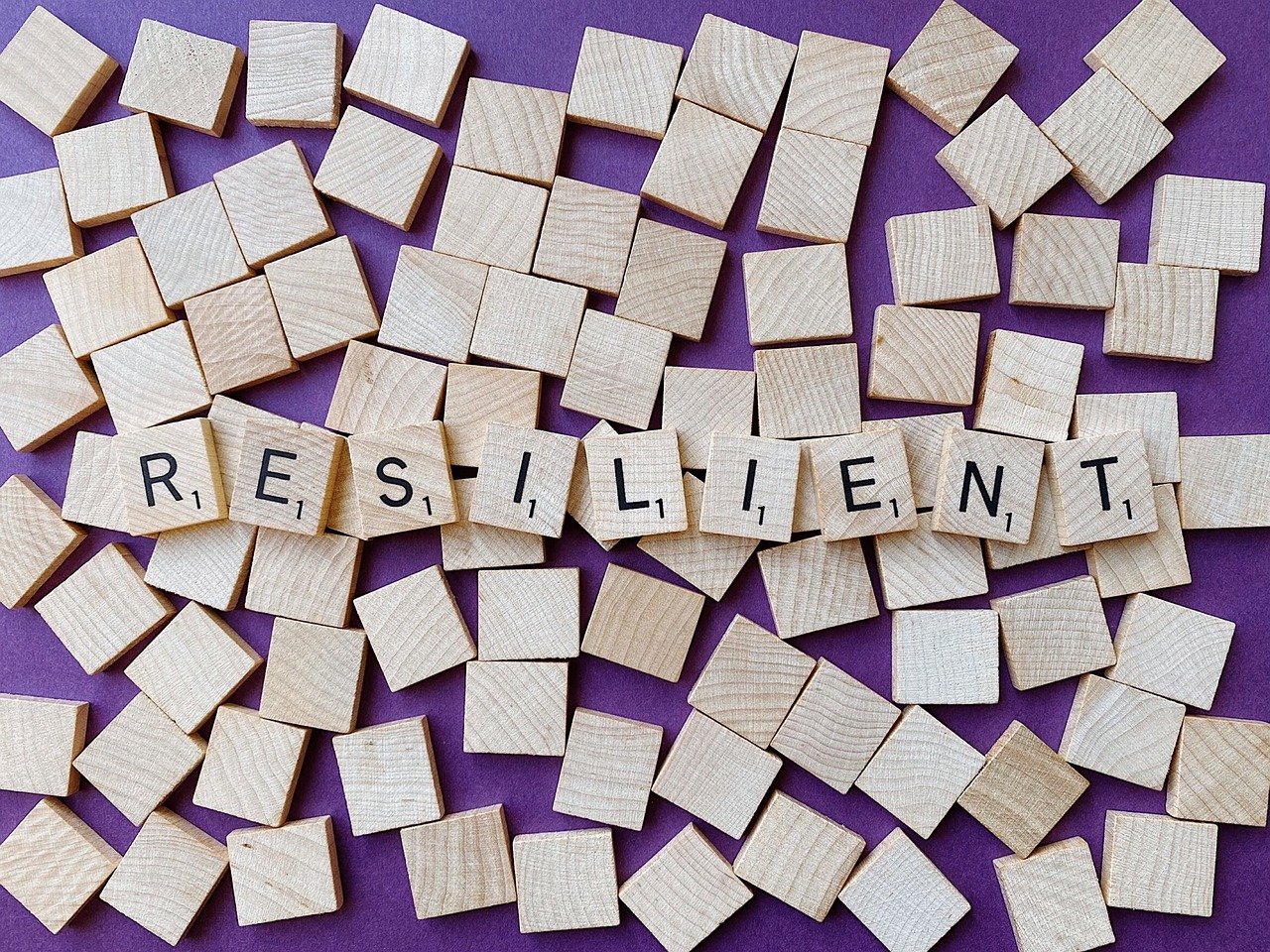
Resilience training can be used to minimize negative thoughts and help you learn ways to bounce back effectively from life’s setbacks.
-
Mood Disorders: Bipolar Disorder

We’ve all had “those days” at work or at home – days when we feel exhausted, irritable, or out of sorts and when nothing seems to go our way. Conversely, we’ve all also experienced days when we are chock full of energy, when we feel like we can take on the world, when ideas seems to flow effortlessly, and we feel joyful and optimistic. For most of us, those feelings of the “blues” or of being happy will ebb and flow from one day to another and they don’t really change our daily lives. But, for people with bipolar disorder (also known as manic depression), the swings between emotional highs and lows are chronic and can fluctuate broadly from extreme euphoria, overconfidence, and boundless energy, to the other end of the spectrum and despair, anger, and deep depression. People can also experience a mixture of the two extremes.
-
Loneliness: A Public Health Concern?

Loneliness is an emotion that can be difficult to pin down because it often means different things to different people. It can be a perception of isolation because we feel that we aren’t being heard and valued. It can be caused by feeling that there is no one we can turn to for emotional support. Also, in many instances, a lonely person is actually physically alone through the loss of a spouse or loved one. Regardless of how we define loneliness, however, researchers have concluded that feeling so alone can affect not just our mental and emotional well being, but our physical health, as well. And, they are finding that loneliness can be as contagious as a virus.
-
How to Beat the Post-Holiday Blues

Even though many people greet the new year with excitement, there are also many who find themselves suffering from the post-holiday blues. Here are some tips to help you beat depression after the holidays.